About Us
About RobOpsJobs: Robotics Operations Careers
RobOpsJobs is a focused job board for people who keep robots working outside the lab. If your work touches deployment, fleet operations, field service, teleoperation, or robotics support, this is where we focus.
Most sites mix these openings with general software, IT, or manufacturing jobs. We built RobOpsJobs so robotic engineers and employers can find each other faster, with less noise and better fit.
That focus starts with a simple mission.
The mission behind RobOpsJobs
Robotics is moving into daily operations across warehouses, factories, hospitals, retail sites, farms, and other real workplaces. As that shift grows, companies need people who can install systems, connect them to live workflows, monitor performance, repair failures, and keep workers safe around machines. Across the market in 2026, hiring is also becoming more skills-based and outcome-focused, with more attention on uptime, quality, throughput, and cost control.
Robots create value when trained people can run them well in live environments.
Why general job boards miss these roles
Broad job boards aren't built for the overlap between hardware, software, operations, and field work. A search for robotics engineer jobs can quickly turn into a pile of unrelated controls roles, pure software openings, or production jobs with little robotics depth. One employer may call the work robotics deployment engineering. Another may label it solutions engineering, automation support, or field service. That inconsistency makes the right jobs harder to spot.
The frustration is easy to find in public communities, including this robotics job search thread, where candidates describe sorting through noisy results and weak matches.
A focused board fixes that mismatch.
| On a general job board | What goes wrong | What RobOpsJobs emphasizes |
|---|---|---|
| Job titles | Robotics roles blend into software or manufacturing categories | Clear operational robotics categories |
| Search results | Hands-on and field roles get buried | Roles tied to deployment, uptime, and support |
| Candidate fit | Recruiters attract broad traffic | Employers reach people with relevant experience |
When the signal improves, both sides waste less time.
How RobOpsJobs supports the next wave of robot deployment
By 2026, hiring across robotics is less about who can talk about automation and more about who can make it work every day. Employers aren't only asking who can build a prototype. They need people who can shorten site launches, reduce safety incidents, stabilize deployments, and keep fleets productive after rollout. That creates steady demand for implementation engineers, integration specialists, controls talent, safety leads, and operations managers.
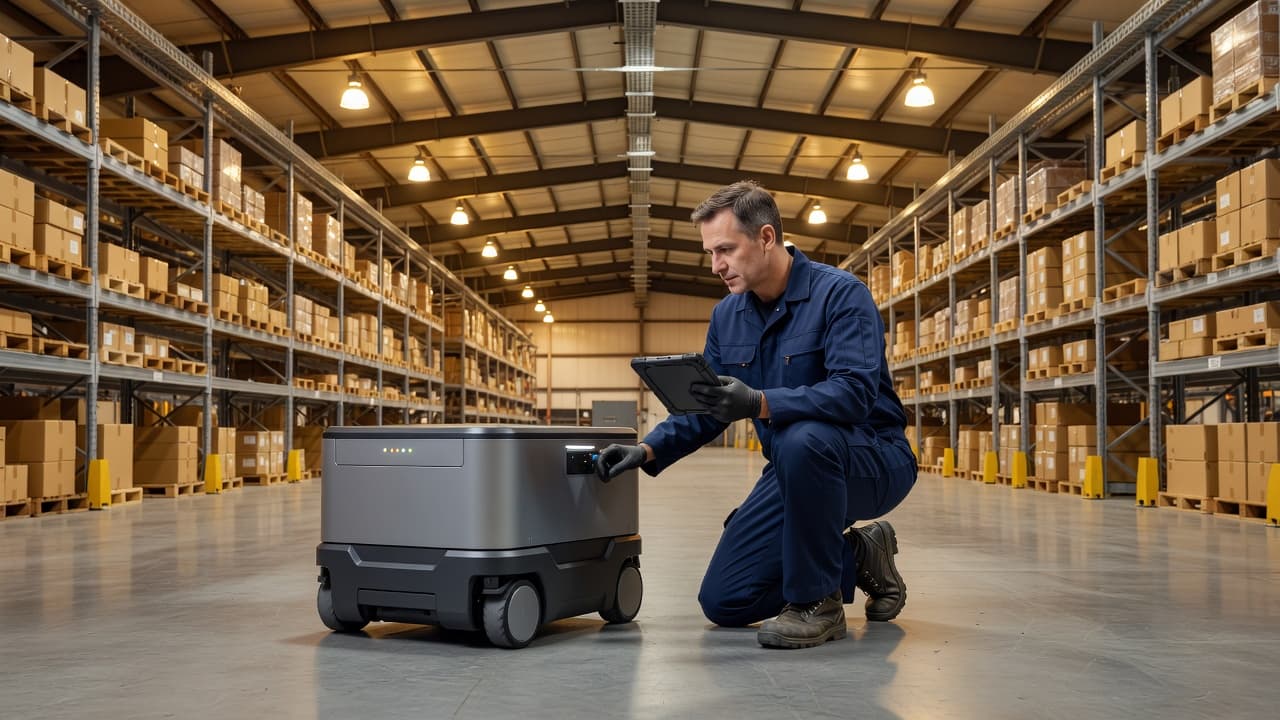
Pilot projects are giving way to larger rollouts across factories, warehouses, hospitals, retail stores, and other enterprise settings. We built RobOpsJobs around that gap between "the robot works in a demo" and "the robot works every shift." Whether a company is scaling AMRs, service robots, or teleoperated systems, the same need keeps showing up: real deployments need real operators.
 ## What kinds of roles you will find on RobOpsJobs
RobOpsJobs is built for operational robotics careers, not only research posts or pure coding work. The roles on the board reflect what it takes to keep machines useful in production settings, long after the sales demo ends.
Deployment and systems integration roles
This part of robotics lives closest to the customer site. Implementation specialists, launch engineers, and systems integrators install hardware, map workflows, configure software, and connect robots to the tools a facility already uses. That can include WMS, MES, PLCs, networking, identity systems, and reporting dashboards. In many teams, these jobs also cover commissioning, acceptance testing, and training site staff after go-live.
The broader field is visible in the IEEE Robotics and Automation Society career resources, but RobOpsJobs narrows the focus to production work. These roles matter because a robot that can't fit the site, data flow, or safety process won't last past the first deployment stage.
Fleet operations and management roles
Once robots are live, someone has to keep the whole system moving. Fleet managers, robot dispatchers, teleoperators, and operations analysts watch utilization, battery health, route conflicts, incident queues, and recovery workflows. Their job is practical: keep robots available, keep work flowing, and keep exceptions from turning into downtime.
These roles grow as fleets move from one or two units to dozens or hundreds. Teams often track intervention rates, missed missions, response times, and mean time to recovery. In some settings, that also includes humanoid teleoperation or remote intervention, where a human steps in when autonomy reaches an edge case.
Field service, maintenance, and support roles
Hands-on support is a major part of modern robotics. Mechatronics technicians, field support engineers, and service leads diagnose hardware faults, replace parts, calibrate sensors, update firmware, and document root causes. Many of them also manage spare parts, preventive maintenance schedules, and customer escalations across several sites.
For plenty of candidates, these are the most appealing robotics engineer jobs because they combine technical depth with direct field experience. They also create strong career paths into reliability engineering, product support, deployment leadership, and customer operations.
RobOps, cloud, and human-robot safety roles
Physical systems need software operations too. RobOps roles may cover telemetry pipelines, fleet monitoring tools, remote logging, update control, rollback plans, permissions, and alerting. In other words, they bring DevOps habits into environments where a bad release can stop machines on a floor instead of a web app in a browser.
Safety sits beside that work, not after it. Human-robot interaction, compliance, lockout procedures, training, and change management all matter when robots share space with employees, patients, or customers. As fleets grow, safe behavior becomes part of daily operations, not a box to check during launch week.
Who RobOpsJobs is built for
We built the board for both sides of a narrow hiring market. Candidates want relevant openings, and employers want people who already understand what live robot operations demand.
For robotic engineers looking for the right fit
If you've searched mainstream boards, you already know how messy the results can get. One query can pull in embedded software jobs, industrial maintenance roles, academic research posts, and generic automation openings with little overlap. A focused board cuts through that noise and makes adjacent career paths easier to spot.
That matters whether you're a field robotics engineer, a support technician moving up, or a systems integrator ready for larger deployments. Clearer categorization leads to better role matching, faster discovery, and a more honest picture of where your experience fits. It also helps you see that operational robotics has real depth, not a random mix of leftovers from other industries.
For employers hiring specialized robotics talent
Hiring for robotics operations is hard because these jobs often sit between disciplines. A strong candidate may need mechatronics knowledge, networking basics, troubleshooting skill, customer-facing judgment, and comfort around physical risk. General boards can bring volume, but volume isn't the same as fit.
RobOpsJobs helps startups, scale-ups, and enterprise recruiters reach a more concentrated audience. That usually means less time sorting unrelated resumes and more time talking to people who understand deployment, uptime, field support, change control, and scaled operations.
What makes a robotics career listing stand out here
The strongest listings on RobOpsJobs are clear about the work, the environment, and the expectations.
Skills that matter most in modern robotics roles
Strong opportunities usually ask for a mix of system and people skills. That may include troubleshooting electromechanical faults, reading logs, working with APIs, using fleet dashboards, handling network issues, supporting cloud-connected devices, and following safety procedures. In industrial settings, employers may also want comfort with PLC, SCADA, or MES integrations. Just as important, they look for engineers who can write clean handoff notes, train site staff, and stay calm when a robot stops during a shift.
In 2026, that mix matters more than flashy titles. Companies want people who can improve uptime, deployment speed, reliability, and safety with measurable results.
The kinds of employers and environments featured on the board
The board is built around real operating environments. That includes logistics networks, manufacturing cells, retail back rooms, healthcare facilities, agriculture, and other sites where robotics has to perform on schedule. Some roles support one flagship location. Others cover multi-site rollouts with travel, escalation ownership, and long-tail maintenance work.
You can see that practical focus in company hiring too. For example, Orchard Robotics careers includes a field operations technician role in California, the kind of site-based work that often gets lost on broad platforms. RobOpsJobs keeps those roles visible to the people who want them.
Conclusion
RobOpsJobs is built on a simple idea: operational robotics talent deserves its own home. When engineers, technicians, teleoperators, and hiring teams can find each other without sorting through unrelated listings, the hiring process gets sharper.
For job seekers, that means clearer paths into meaningful robotics work. For employers, it means better alignment with the people who can keep systems running in the real world. In a market where execution matters, that focus is the point.